
ICHEC 2025 Successfully Concludes
Conference Recap
Opening Ceremony
Organized by International Chinese Association of Computer Human Interaction (ICACHI), ICHEC 2025 (International Conference on Human-Engaged Computing, formerly Chinese CHI) took place November 21–23, 2025 at Singapore Management University.
The conference officially opened on the morning of November 22. ICACHI President Zhiyong Fu welcomed participants, discussed the themes Inclusion, Intelligence, and Connection, and introduced the conference.
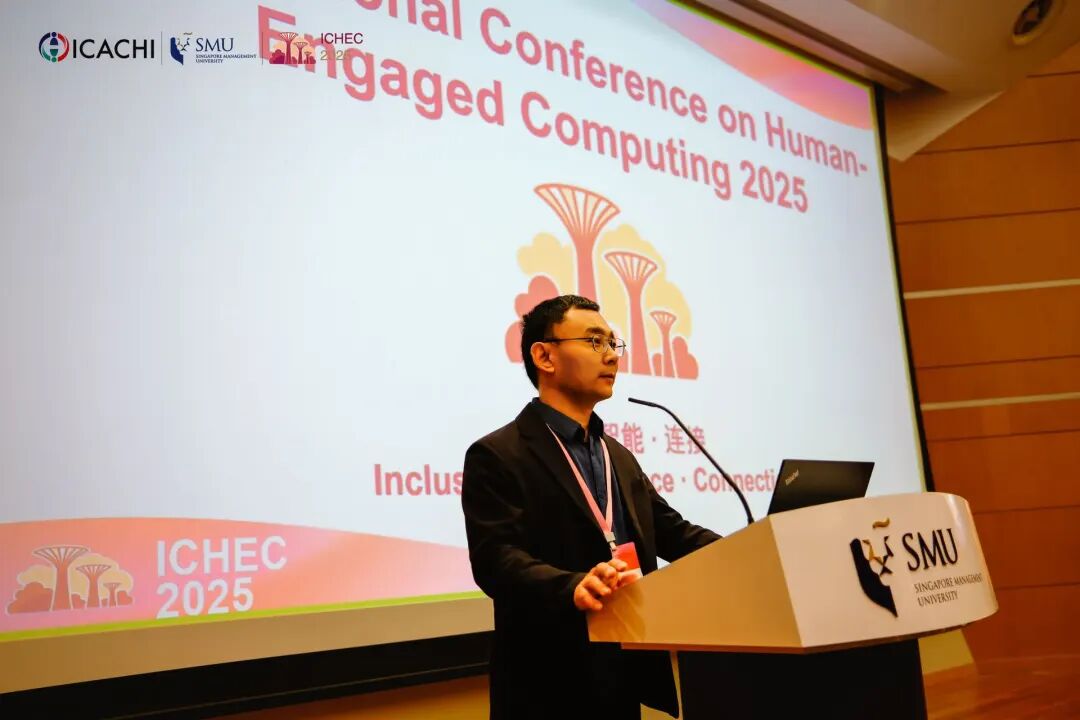
Remarks by President Zhiyong Fu
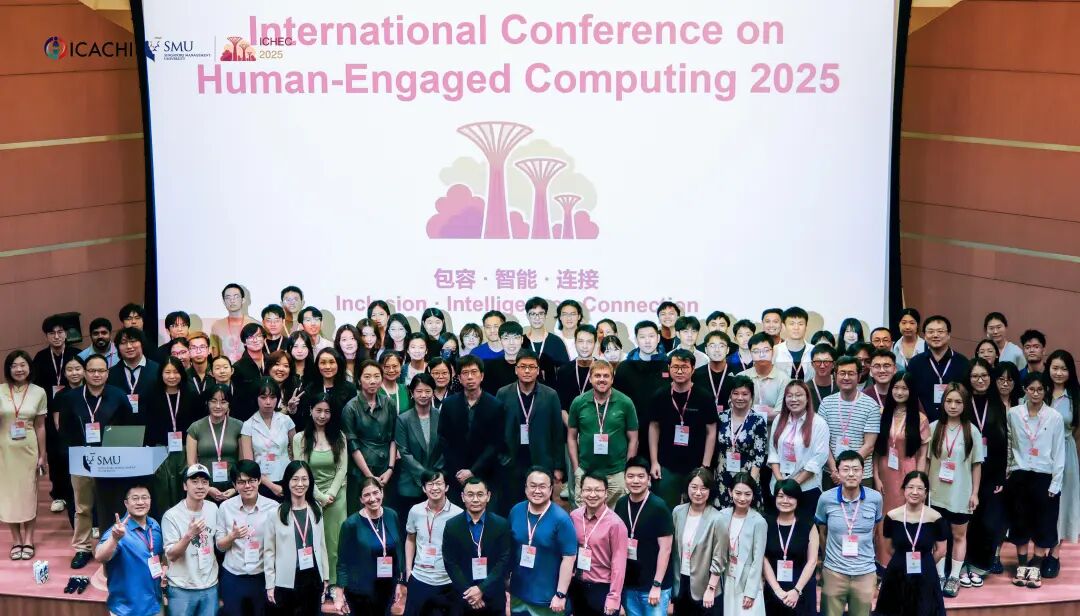
Conference Group Photo
Opening Ceremony
Keynotes
Following the opening, scholars from two leading international institutions shared their latest findings and reflections on the mornings of November 22 and 23, highlighting the conference themes.
Karrie Karahalios (MIT Media Lab)
Karrie Karahalios, professor of media arts and sciences at the MIT Media Lab and a leading scholar in human–computer interaction (HCI) and CSCW, delivered the keynote Perception and Agency in Sociotechnical Systems.
She identified widespread gaps in users' understanding of governance and their own agency within sociotechnical systems. Exposing invisible governance structures and using contestational approaches to reshape human–computer and interpersonal relationships can improve transparency and autonomy. Alongside new research, the keynote established a human-centered academic foundation and prompted reflection on sociotechnical governance and future development.
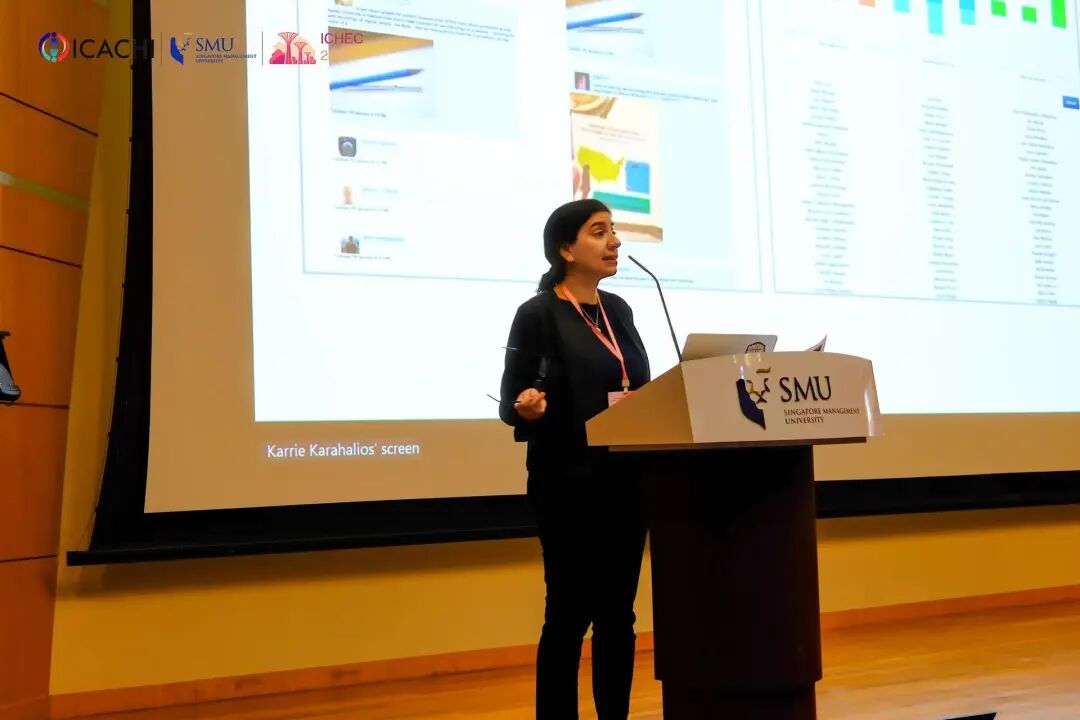
Professor Karrie Karahalios's Keynote
Perception and Agency in Sociotechnical Systems
Koji Yatani (University of Tokyo)
Koji Yatani, associate professor of information systems at the University of Tokyo and head of the Interactive Intelligent Systems Laboratory, presented Beyond Performance: Designing AI for Human Reflection, Resilience, and Well-Being.
He argued that AI research's excessive focus on accuracy and speed over the past decade has advanced technology while limiting imagination about AI's value in human life. He called for an HCI paradigm centered on reflection, resilience, and physical and mental health. His group's research on interactive multi-agent systems illustrated how AI can support human well-being and cognitive development in multiple dimensions.
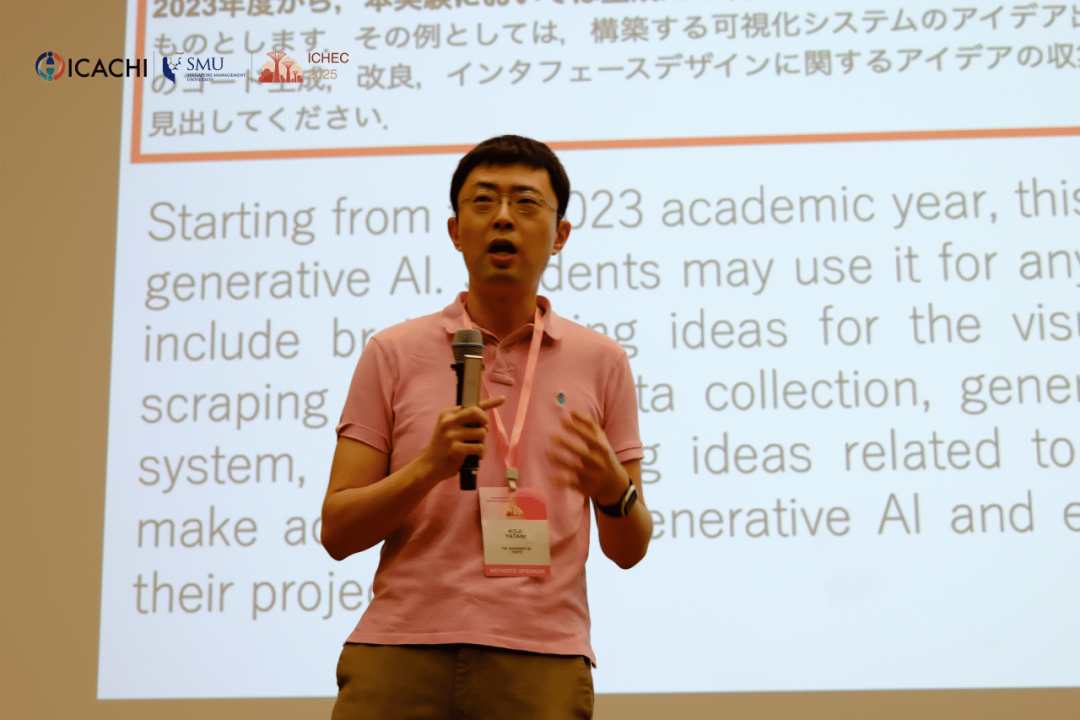
Associate Professor Koji Yatani's Keynote
Beyond Performance: Designing AI for Human Reflection, Resilience, and Well-Being
Panels
Following the keynotes, two panels were held on the afternoons of November 22 and 23, moderated by Assistant Professor Renwen Zhang of Nanyang Technological University, exploring core human–computer interaction questions.
Topic 1: Rethinking Responsibility Boundaries in Human–AI Collaboration
Panelists were Associate Professor Xin Chen of Shenzhen University, Professor Ang Peng Hwa of Nanyang Technological University, Professor Karrie Karahalios of MIT, Associate Professor Nan Liu of Duke–National University of Singapore, and Associate Professor Yun Wang of Beihang University.
The panel examined ethical challenges in real-world AI deployment, considering how design, technology, and society can improve controllability, trust, and explainability in future human–AI collaboration, offering insights for interdisciplinary practice.
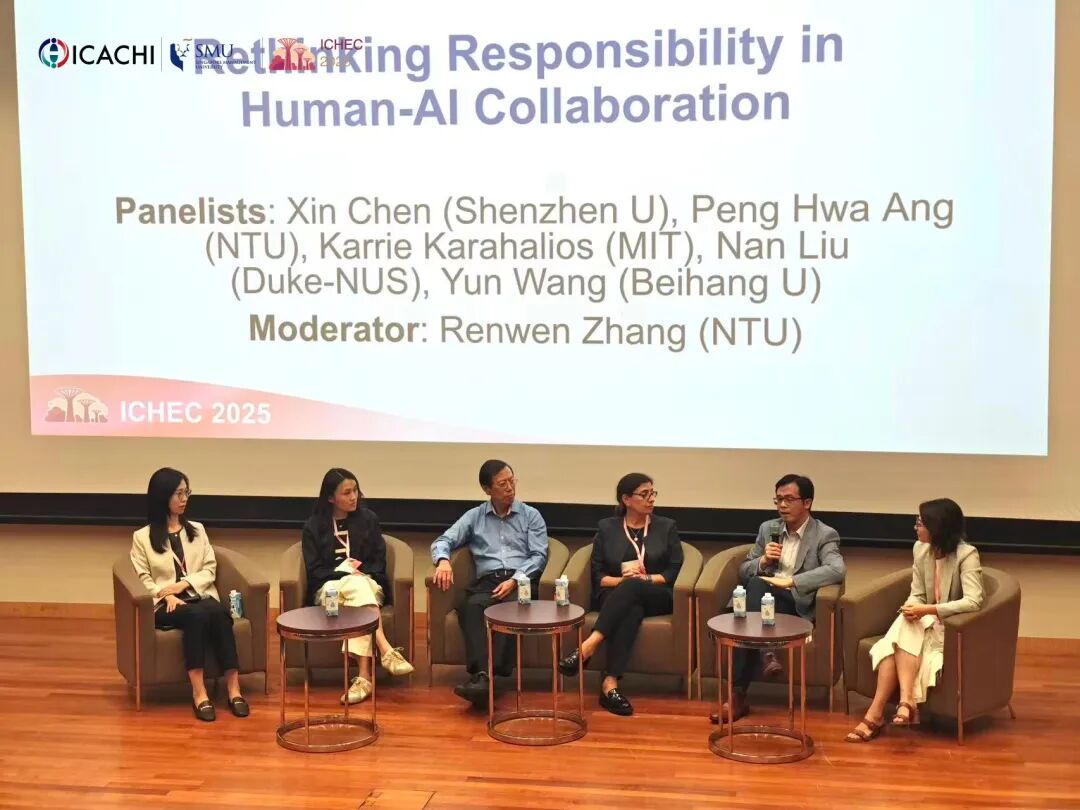
Panel Discussion
Rethinking Responsibility Boundaries in Human–AI Collaboration
Topic 2: Asian Perspectives on human–computer interaction—Diverse Voices, Core Values, and Future Visions
Panelists included Shuimu Scholar Jie Cai of Tsinghua University, Associate Professor Jung-Joo Lee of National University of Singapore, Professor Yin Leng Theng of Nanyang Technological University, Associate Professor Xiaochao Xi of Beijing University of Posts and Telecommunications, and Associate Professor Koji Yatani of the University of Tokyo.
The discussion highlighted Asia's rich cultural backgrounds, diverse user needs, and rapidly evolving sociotechnical systems as distinctive resources and opportunities for human–computer interaction research. Across local innovation and cross-cultural design, Asian HCI shows strong potential and broad prospects.
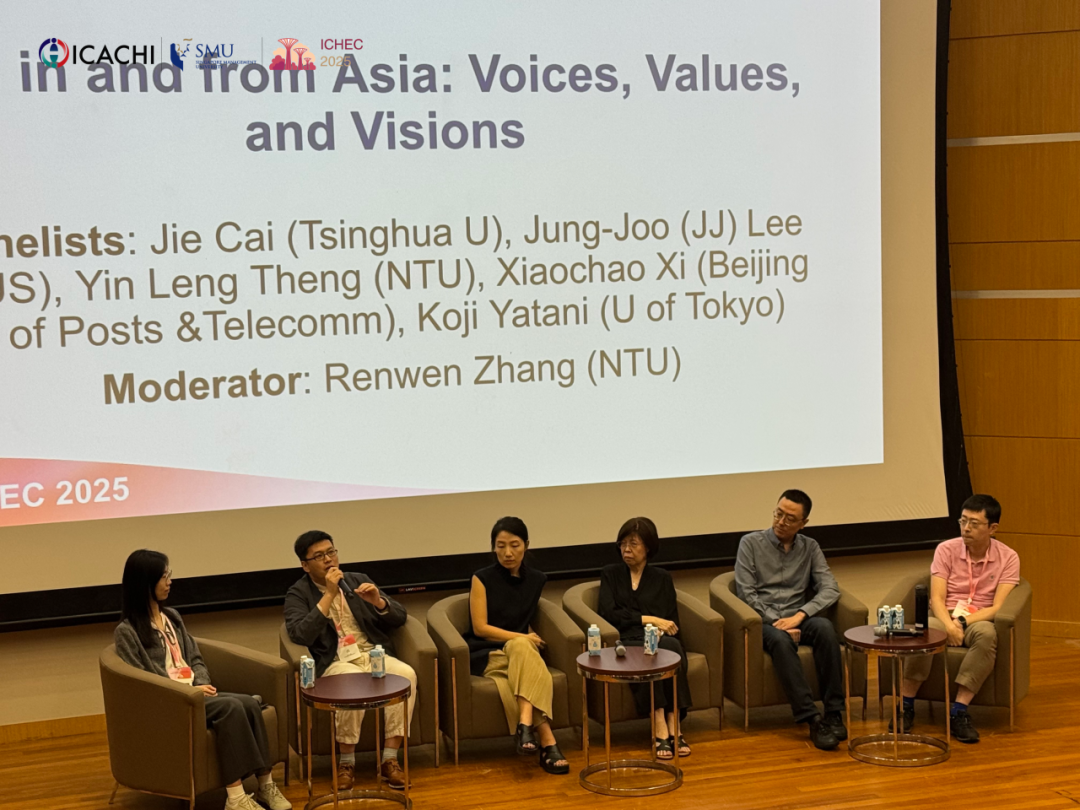
Panel Discussion
Asian Perspectives on human–computer interaction: Diverse Voices, Core Values, and Future Visions
Thematic Workshops
On November 21, workshops across three themes explored technology, design, and social value, offering forward-looking perspectives on generative AI, cultural heritage interaction design, and socially beneficial technologies in HCI.
Visual Storytelling: Eastern Wisdom for Human–AI Creative Collaboration
As generative AI becomes widespread, creative agency is increasingly debated: does AI replace human creativity, or can it be designed as an augmenting blank space that expands narrative worlds rather than replacing creators?
The Stories That Teach workshop proposed Gap-and-Fill co-creation: people initiate stories and establish structure and visual tone, while AI fills intentionally reserved creative gaps as a responsive, generative partner.
Inspired by Eastern aesthetics of blank space and the Japanese concept of MA, the method emphasizes imaginative space and narrative rhythm. Groups sketched story structures with deliberate gaps, then used AI to supply details and visual elements, preserving human intention while introducing new layers and creative energy.
Organizers: Kexin Nie, Xin Tang, Mengyao Guo, and Ze Gao
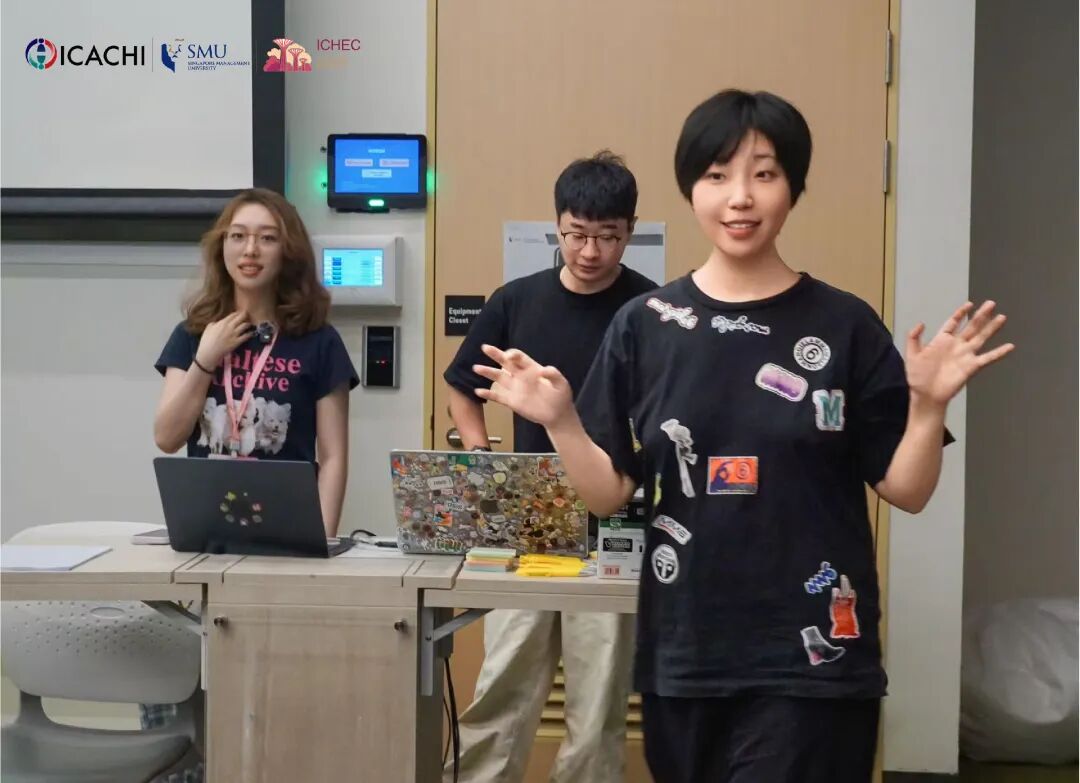

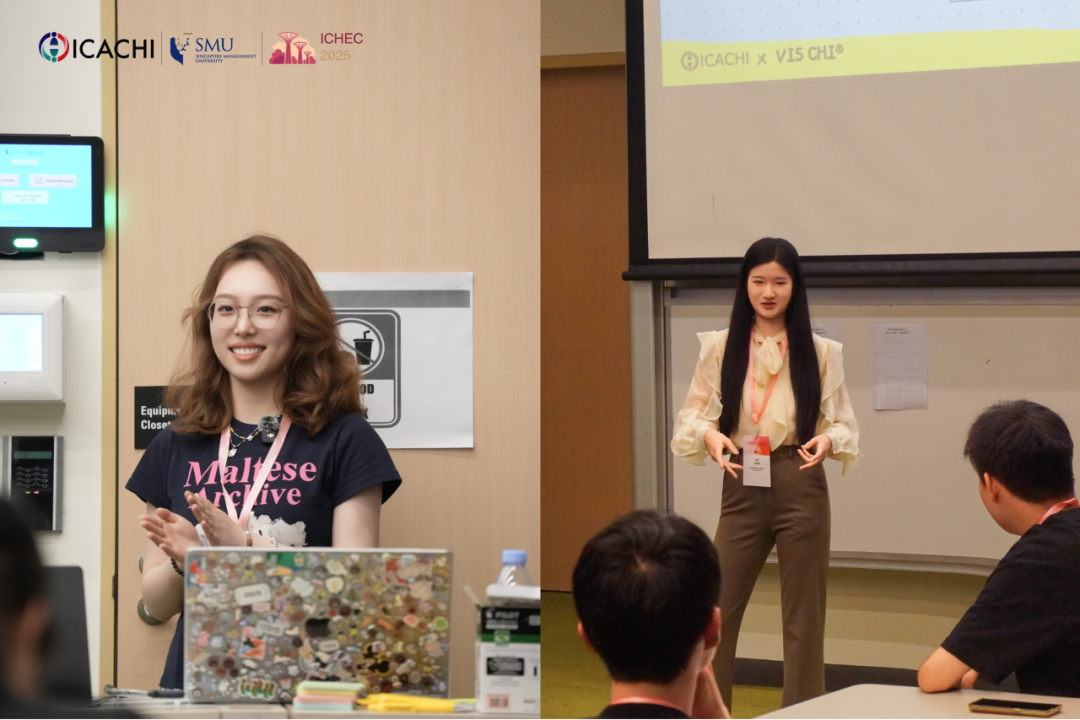
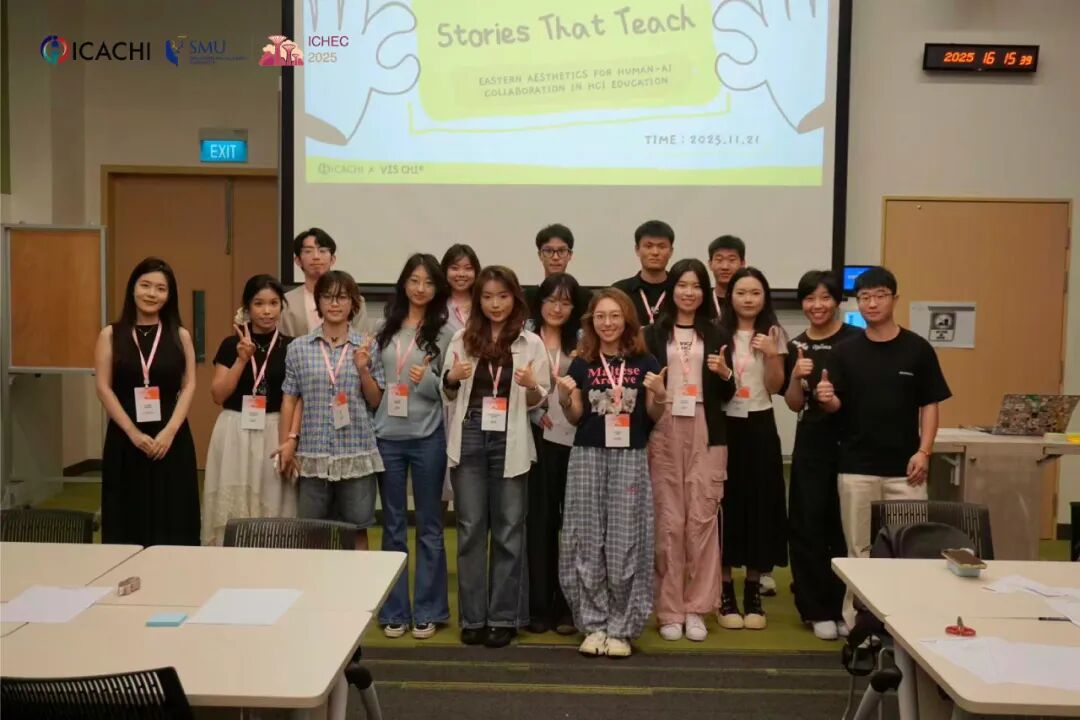
Workshop 1
Visual Storytelling: Eastern Wisdom for Human–AI Creative Collaboration
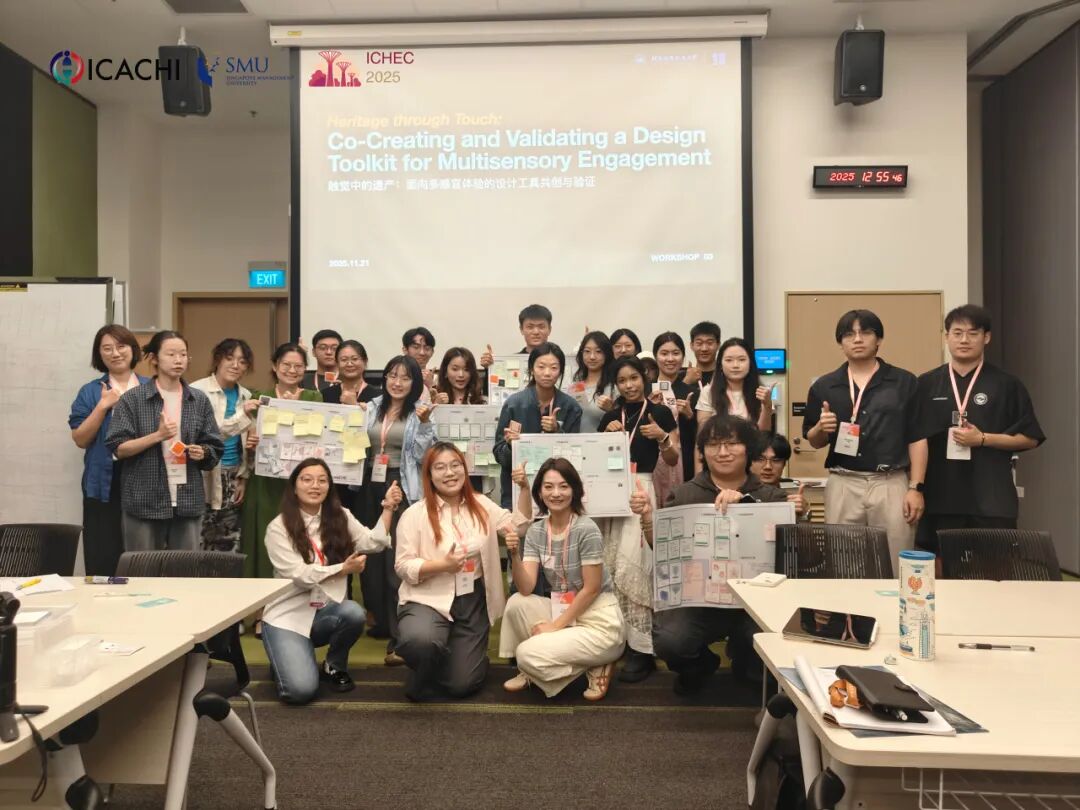
Awakening Heritage Through Touch:
Co-Creating and Validating a Multisensory Participatory Design Toolkit
This workshop explored translating cultural heritage into tactile interaction and transforming touchable elements into innovative experiences. Through four stages—perception and collection, extraction and mapping, creativity and translation, and validation and reflection—participants used material samples, tactile word cards, and contextual cues to identify heritage's tactile qualities and develop interaction concepts and design proposals.
Participants generated diverse reasoning paths, classification models, and sketches, providing material for feasibility studies of tactile heritage displays and sparking interest in AI-assisted analysis and tactile generation. The workshop validated the toolkit's usability, laying foundations for multisensory heritage education and digital exhibitions.
Organizers: Yun Wang and Zixin Chen
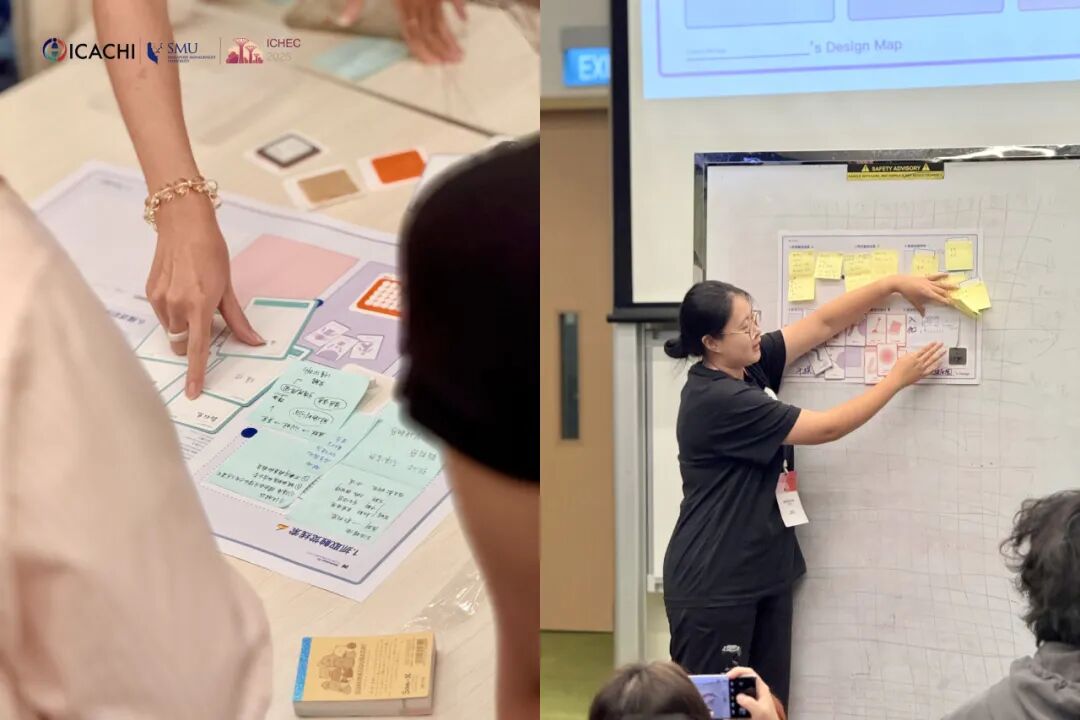
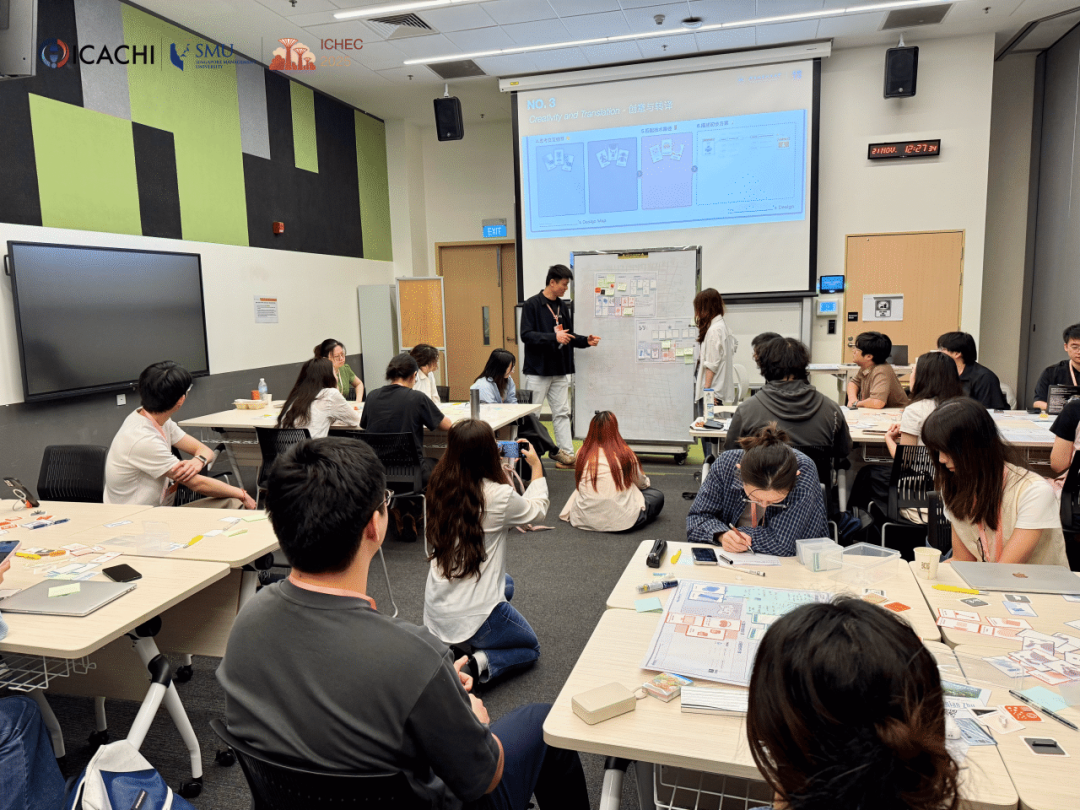
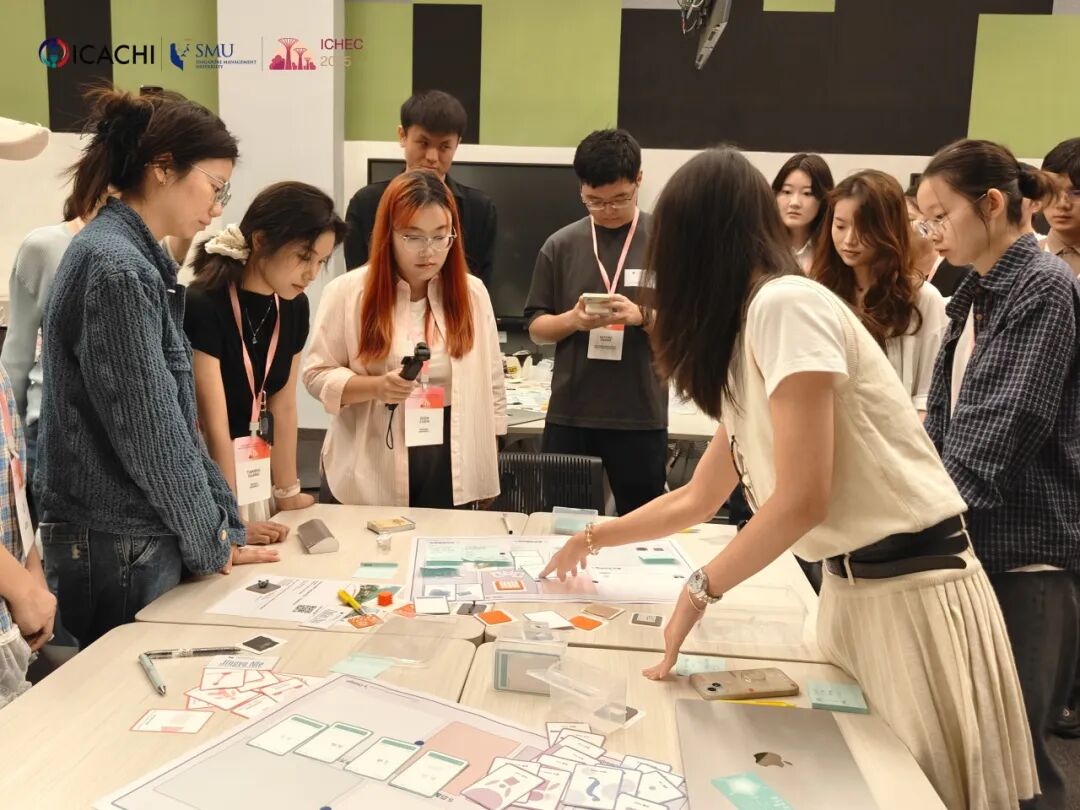
Workshop 3
Awakening Heritage Through Touch: Co-Creating and Validating a Multisensory Participatory Design Toolkit
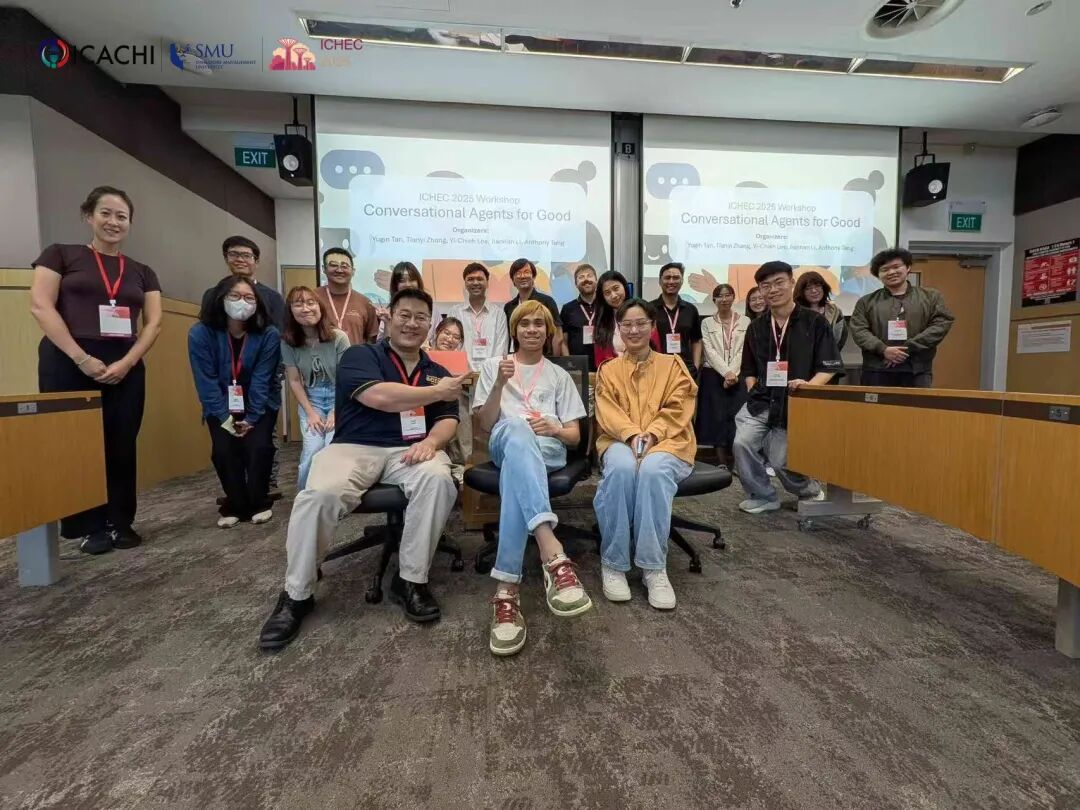
Conversational Agents for Good
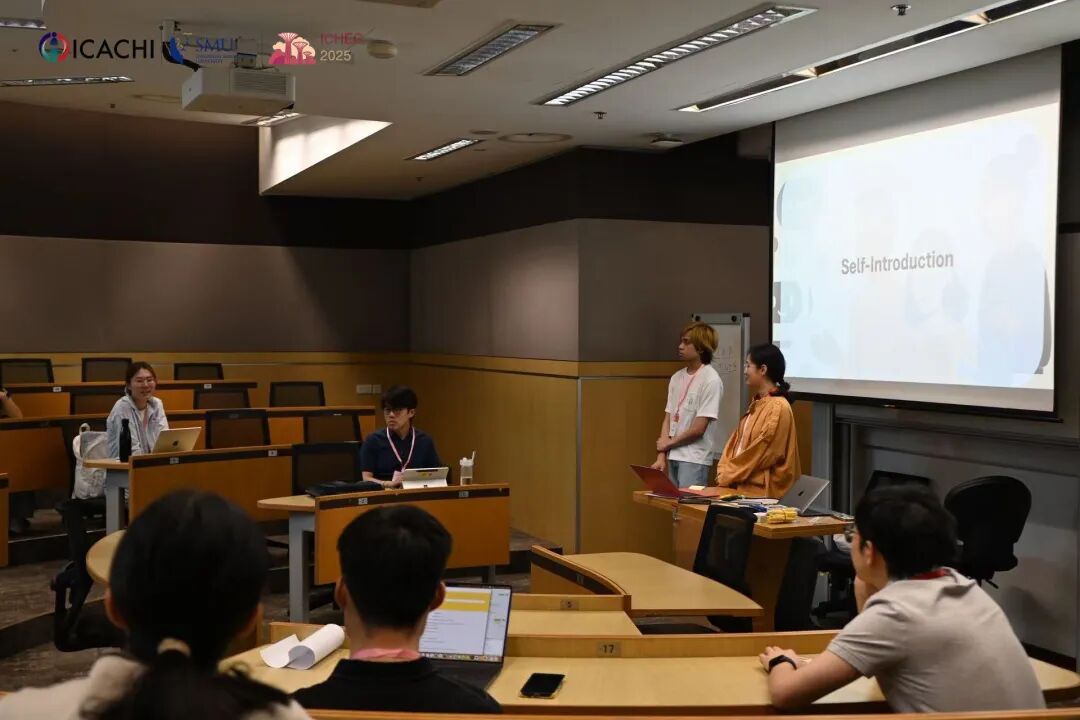
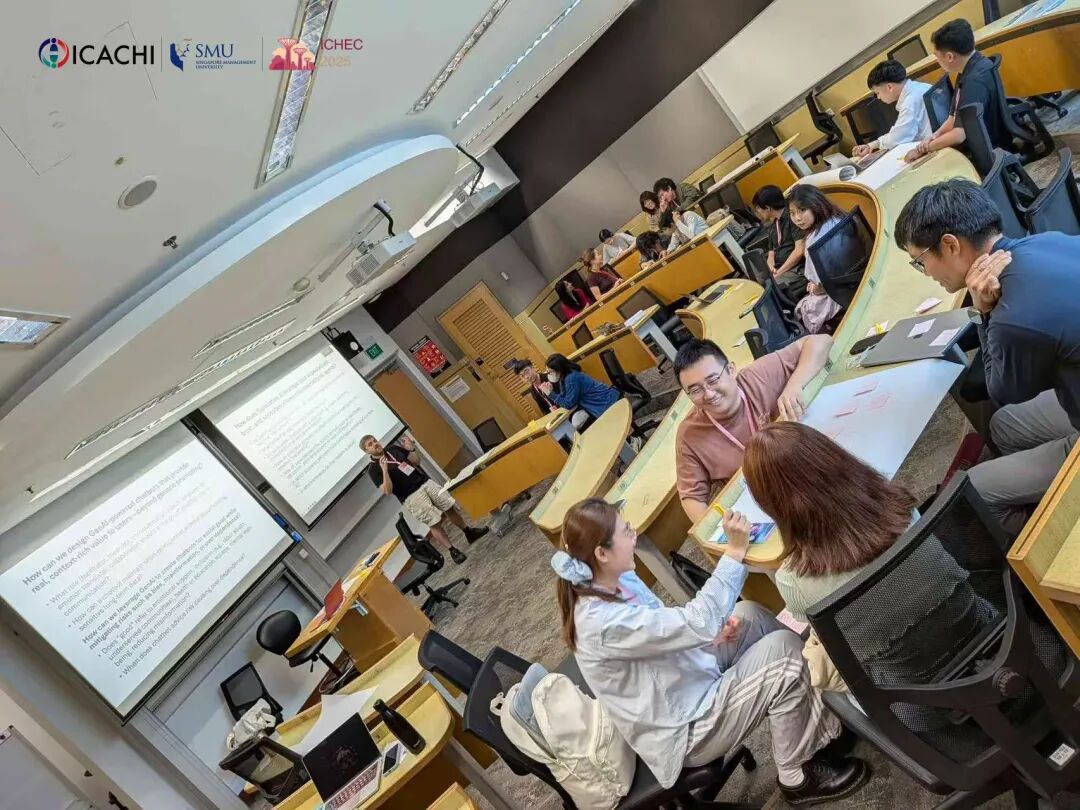
Rapid generative AI advances are creating opportunities for conversational agents in education, health, emotional support, and collaboration. This workshop explored how chatbots can genuinely serve individual and social well-being.
Experts including Yi-Chieh Lee, Jiannan Li, and Tony Tang joined a panel sharing frontier insights into HCI, AI ethics, and conversational system design.
A mini-poster session presented related research and practice. Small groups discussed generative AI's effects on user expectations, conversational system design strategies, and potential risks and responses in applications for good. The workshop brought researchers and practitioners together to explore next-generation human-centered, socially beneficial conversational agents.
Organizers: Yugin Tan, Yi-Chieh Lee, Tianyi Zhang, Jiannan Li, and Anthony Tang
Workshop 5
Conversational Agents for Good
Art Installations and Interactive Demonstrations
Art / Demo Show
The exhibition on the afternoon of November 21 brought together experimental works from universities and research teams. Fifty-five submissions were received, and twenty-two works were exhibited.
Combining AI, interaction design, and humanistic care, the exhibits ranged from visual generation and motion capture to transformed cognitive experiences. They demonstrated technology's potential to engage social issues, amplify marginalized voices, and extend artistic narratives, offering immersive multisensory experiences.
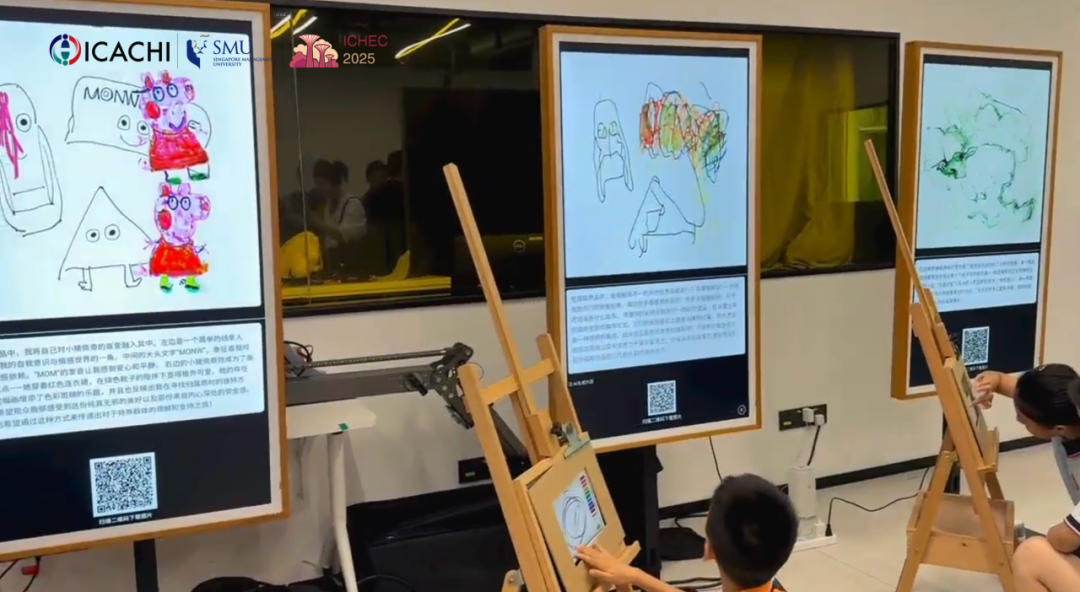
Exhibited Works
Paper Sessions
Academic presentations on November 22 and 23 covered eight full paper themes: Health and Well-Being; Perception and Reflection; Visualization and Interface Interaction; Aging and Accessible Design; Cultural Heritage; Human-Centered AI; Design and Tangible Construction; and Systems and Conversational Agents. Authors shared findings, presented their work, and answered questions in thematic sessions.
Short papers were presented as posters on topics including swarm robot interaction, perceptions of humanoid robot appearance, immersive VR, and rehabilitation and health technologies. They demonstrated diverse human–computer interaction technologies and applications, offered rich academic exchange opportunities, and showcased the latest HCI research.
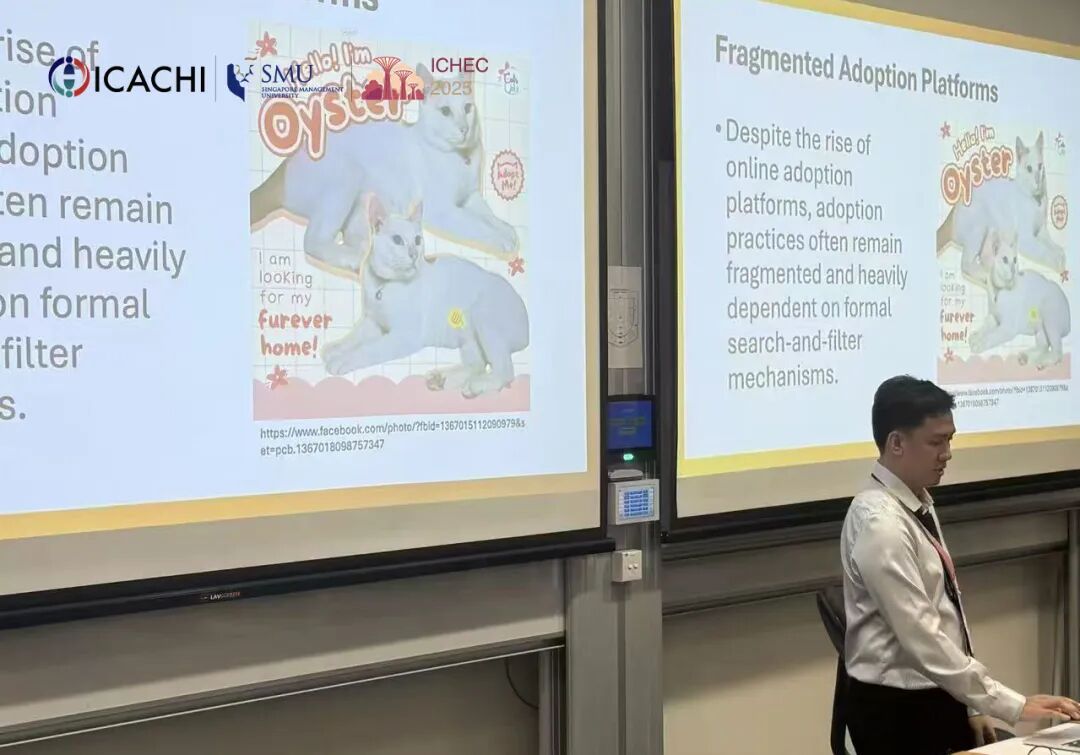
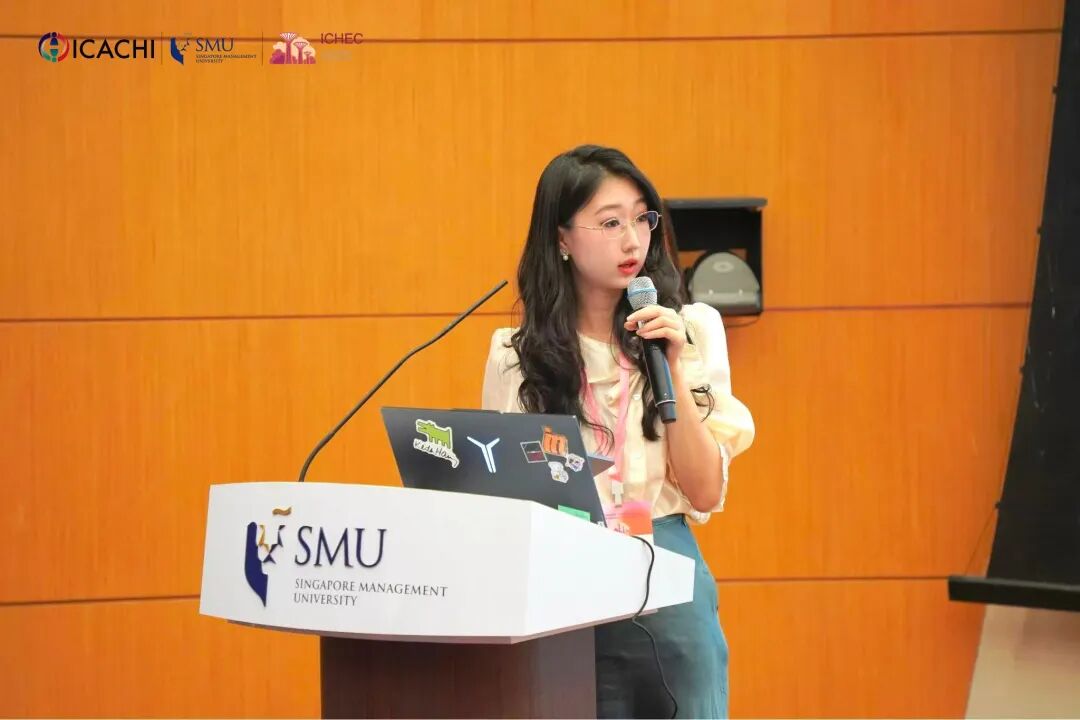
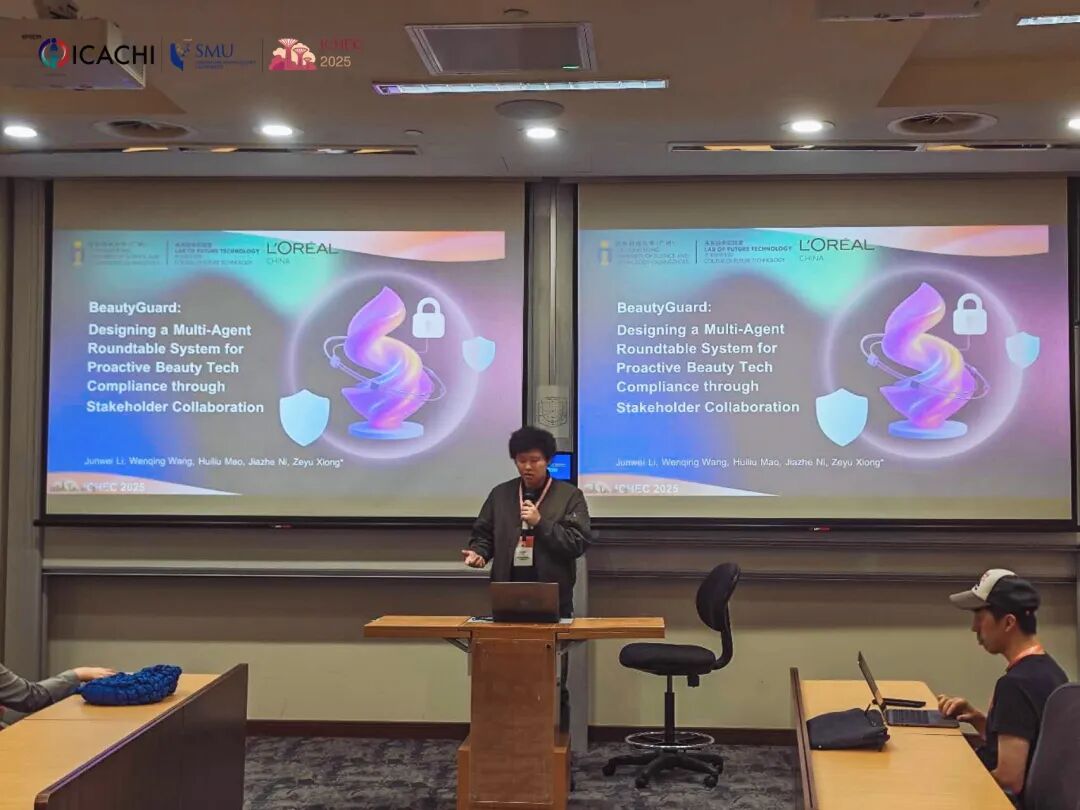
Full Paper Presentations
Poster Session
Student Mentoring Lunch Program
AMA (Ask Me Anything)
The conference introduced an AMA (Ask Me Anything) Student Mentoring Lunch Program, enabling undergraduate, master's, and doctoral students to meet mentors and senior HCI researchers.
Participants discussed research, careers, and interdisciplinary collaboration, helping early-career researchers join the ICHEC community and find guidance and inspiration for future academic and professional paths.
ICACHI Steering Committee Meeting
From 2012 to 2024, eleven successful Chinese CHI conferences were held worldwide, with papers included in the ACM Digital Library and submitted for EI indexing.
This year, Chinese CHI became ICHEC, the International Conference on Human-Engaged Computing. In the spirit of human–computer interaction, it explores how computing intersects with human values, cultures, and lived experience. As an international conference, ICHEC extends beyond Chinese-speaking regions toward a broader, more inclusive vision.
Since its establishment in 2012, ICACHI, one of the organizers, has upheld its founding mission: promote academic exchange and collaborative research among Chinese human–computer interaction students and scholars worldwide and between members and other international human–computer interaction organizations and researchers, contributing to scientific and technological progress.
On the evening of November 21, President Zhiyong Fu chaired ICACHI's 2025 Board meeting. Topics included strategic development, committee building, Young Scholars Committee plans, and constitutional improvements. Members also discussed ICHEC submissions and hosting arrangements for the next conference, reaffirming internationalization and stronger cooperation with universities in China.
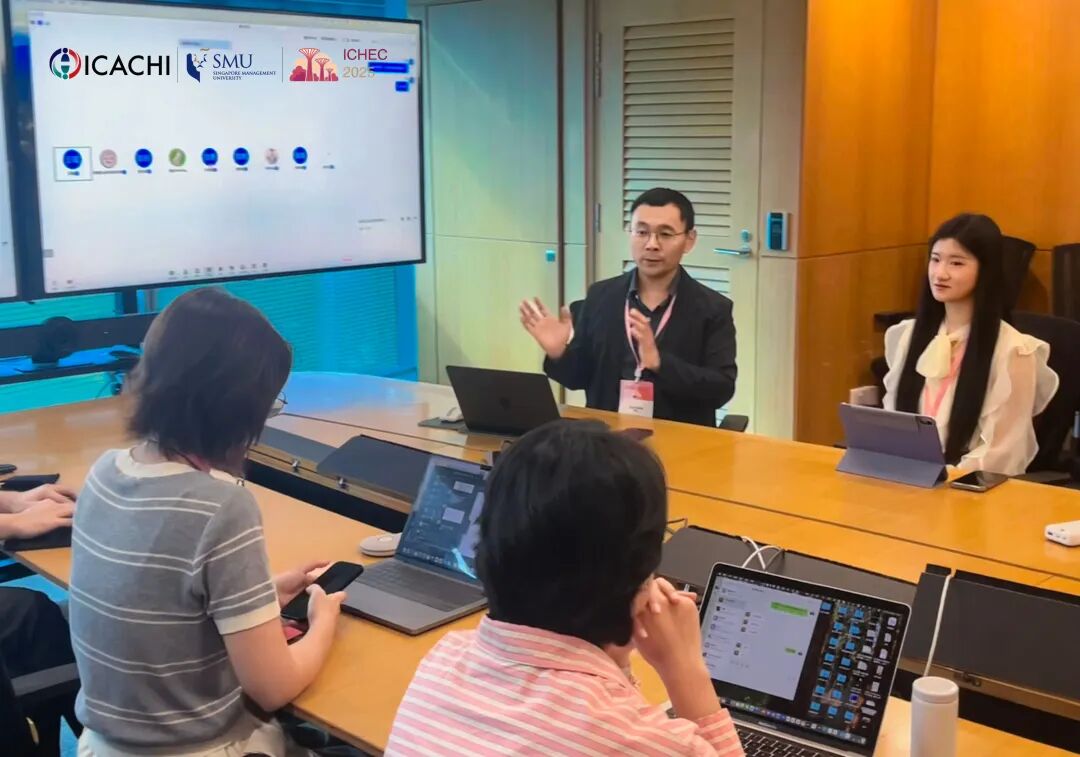
Remarks by ICACHI President Zhiyong Fu
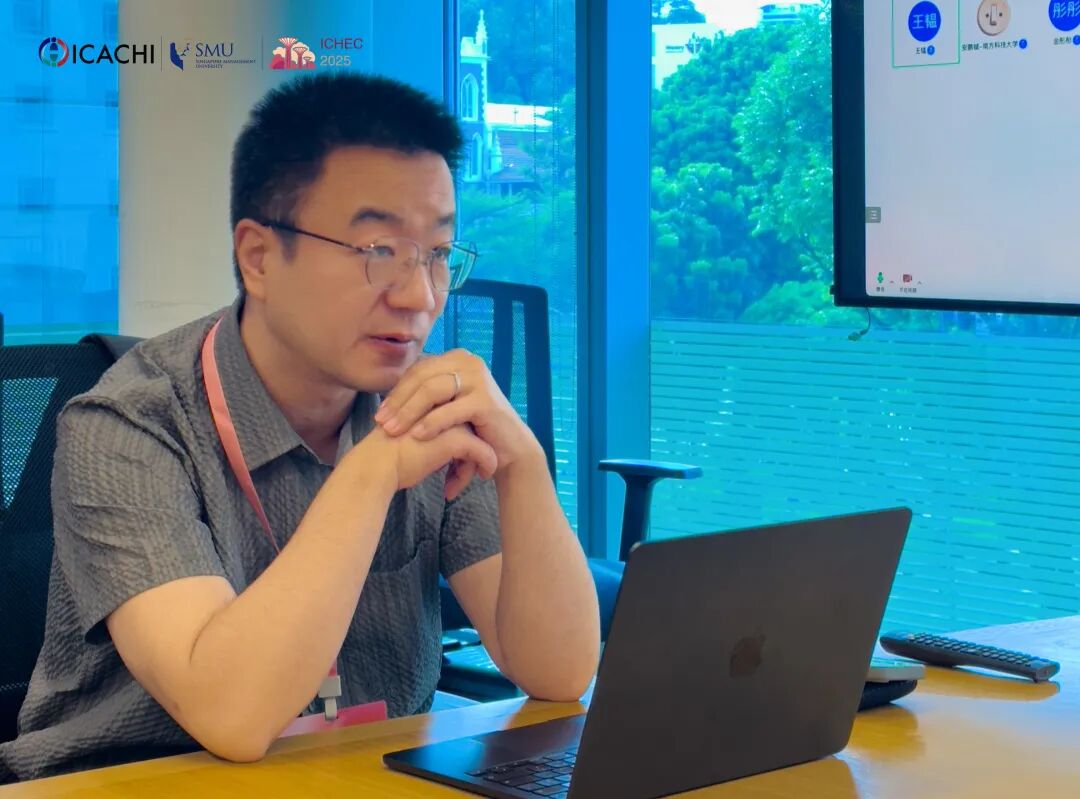
Remarks by ICACHI Vice President Haipeng Mi
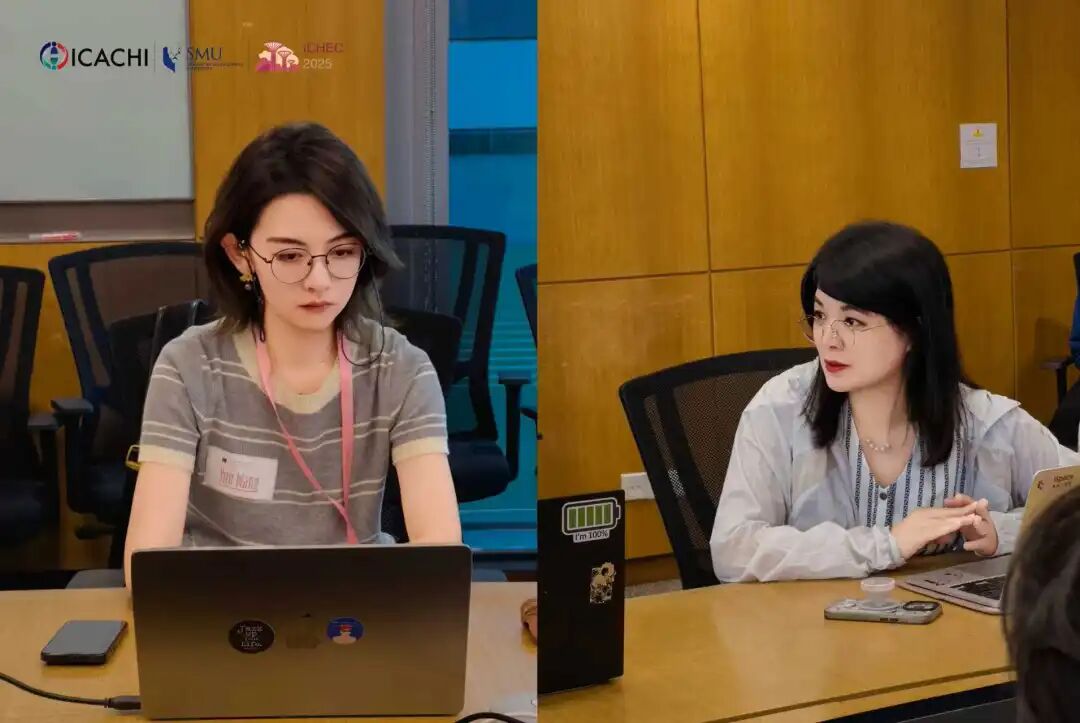
Remarks by ICACHI Board Chairs Yun Wang and Xinyi Fu
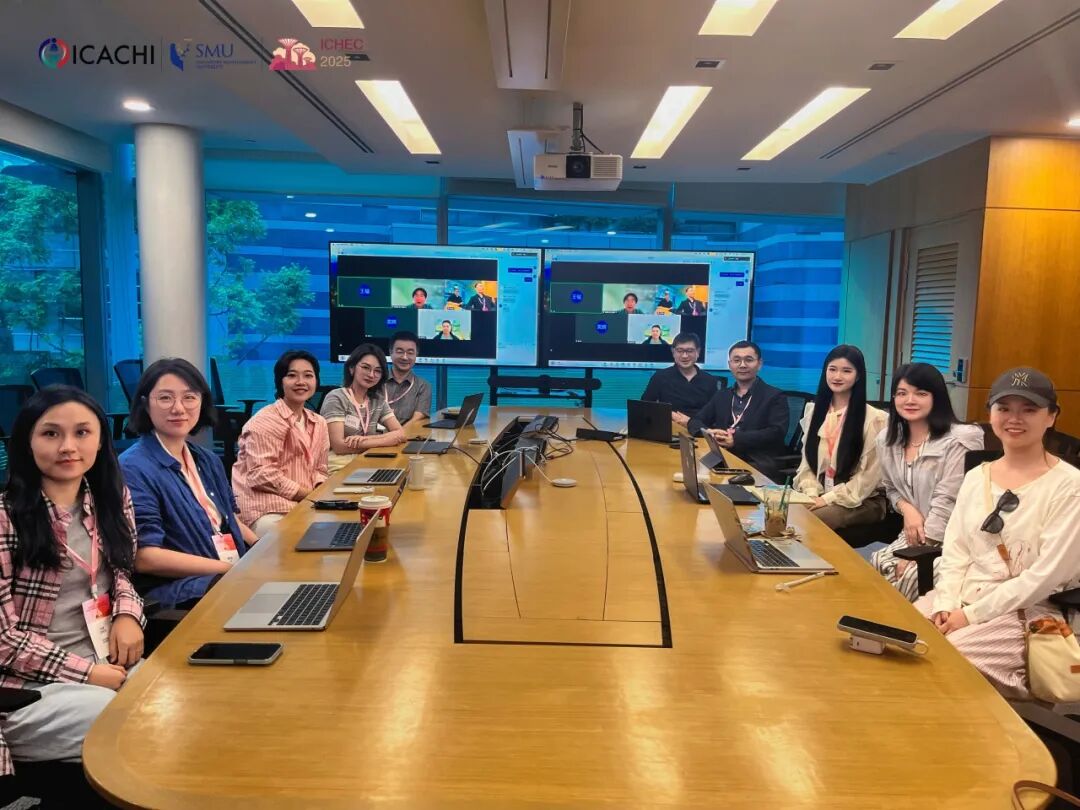
Group Photo of Attending Board Members
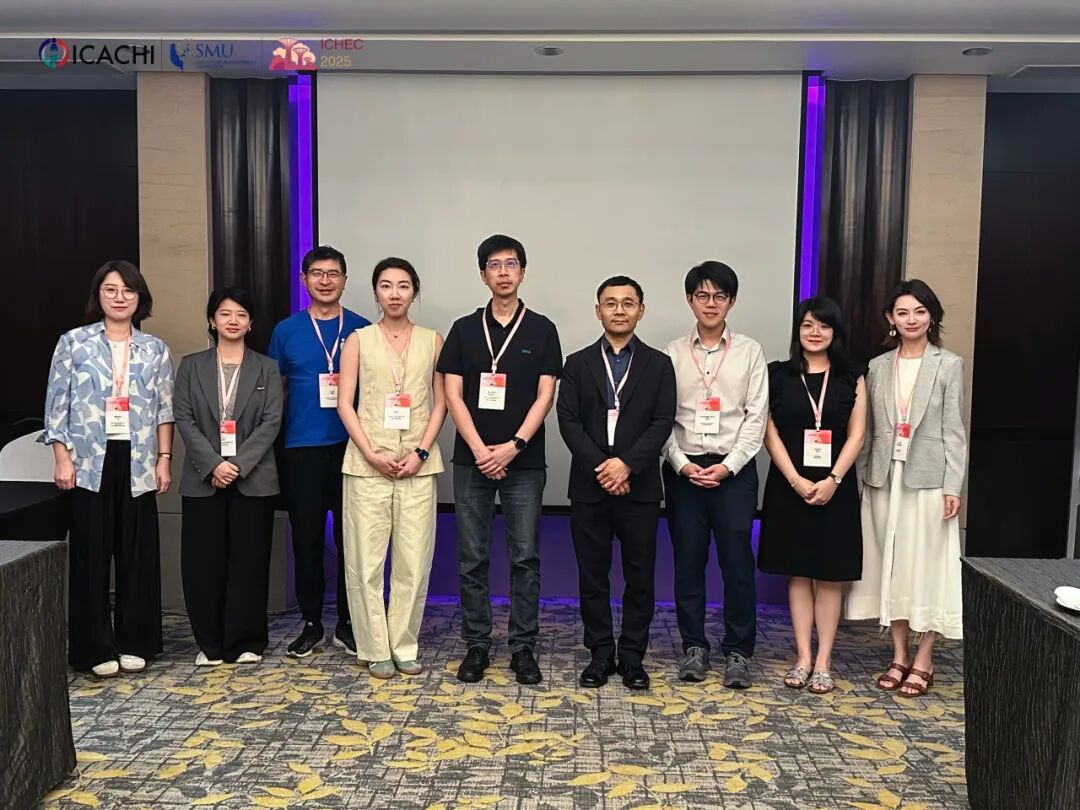
ICHEC 2026 Coordination Meeting with City University of Macau
Awards Ceremony
On the evening of November 22, the awards ceremony recognized outstanding papers, posters, and artworks.
The award-winning teams demonstrated outstanding research innovation, technological applications, and interdisciplinary design. The ceremony recognized participants' hard work while creating opportunities for exchange and learning and inspiring further creativity and collaboration.
Beyond recognizing academic and creative achievements, the ceremony encouraged continued exploration of frontier human–computer interaction questions, reflecting ICACHI's commitment to innovation, interdisciplinary cooperation, and social value.
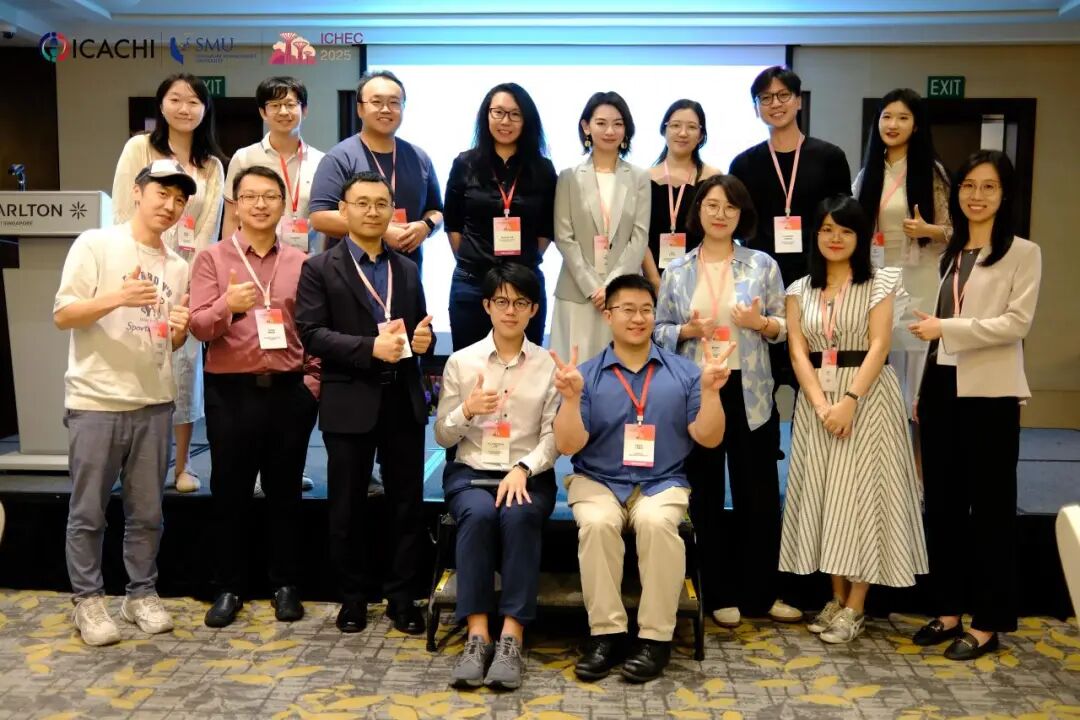
Group Photo of Host Singapore Management University and the ICACHI Organizing Committee
Awards Ceremony
Networking and Coffee Breaks
Networking Session and Coffee Break
Coffee breaks provided relaxed opportunities to connect. Over refreshments, participants discussed academic questions and collaboration ideas in a warm, lively atmosphere. These exchanges strengthened interdisciplinary and inter-institutional connections and created opportunities for partnerships and new ideas.
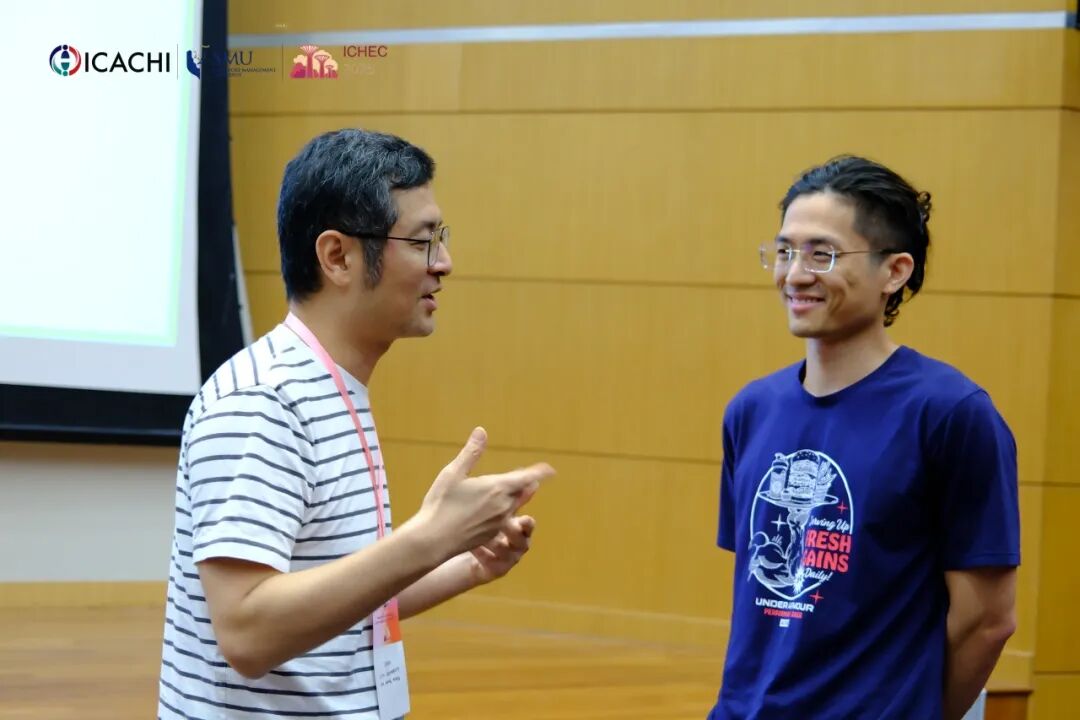
Professor Shengdong Zhao Talks with Students
Coffee Break
Closing Ceremony
On the afternoon of November 23, the conference played a video address by Professor Wanlei Zhou, vice rector and dean of the Faculty of Data Science at City University of Macau. This was followed by in-person remarks from Boxun Wang, executive associate dean of City University of Macau's School of Innovation and Design, and Jing Liu, director of its Master of Design program. Their addresses brought the conference to a successful close.
The closing remarks announced that ICHEC 2026 will be jointly hosted by the School of Innovation and Design and Faculty of Data Science at City University of Macau. A meeting place of Eastern and Western cultures, Macau warmly welcomes scholars from every field to the next conference.
The successful conference showcased Chinese scholars' latest human–computer interaction research and provided a high-quality platform for international exchange and collaborative innovation among academia, industry, and research. ICACHI will continue connecting Chinese scholarly communities worldwide, advancing HCI frontiers and interdisciplinary partnerships, and accelerating future-oriented digital innovation. Host institution Singapore Management University ensured the conference's smooth operation through professional organization and rich research resources, demonstrating its international influence in information systems and human–computer interaction research.
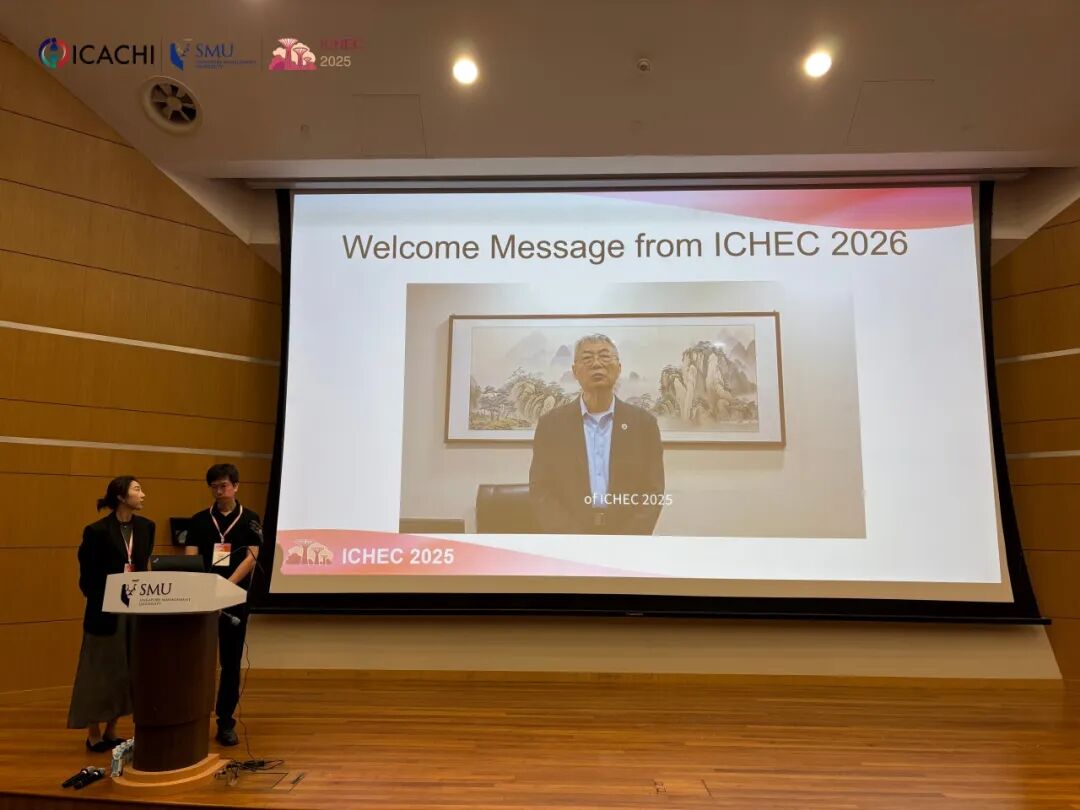
Video Address by Professor Wanlei Zhou, Vice Rector and Dean of Data Science, City University of Macau
Closing Ceremony
Written by: Xin Tang
Layout: Yuxin Xu